
Claude Opus 5.5: Pricing, Benchmarks and API Changes
Claude Opus 5.5 changes API pricing, thinking and tool behavior. This guide separates Anthropic's benchmark and workload-cost claims from the current specs, cache rates and upgrade checks.

Claude Opus 5.5 changes API pricing, thinking and tool behavior. This guide separates Anthropic's benchmark and workload-cost claims from the current specs, cache rates and upgrade checks.

GitHub lists Opus 5.5 for Copilot Pro+, Max, Business and Enterprise, with gradual rollout and token-based AI Credits. Legacy annual Pro/Pro+ plans are an exception.
The two 1 September 2026 announcements answer one enterprise-operations question: what must a buyer verify before enabling a frontier model in a workflow that has privacy, retention or audit requirements? The answer depends on the product surface, plan and approved controls.
Anthropic's 14 August description, updated on 1 September 2026, gives content teams a narrower question than the headlines suggest: what can this signal tell a reviewer, and where does it stop? This guide separates watermarking, detection, authorship and disclosure.
Claude Tag replaces Claude in Slack for Team and Enterprise beta workspaces. Learn permissions, memory, spend alerts and a safe marketing pilot.
Compare Claude in Chrome, Cowork's built-in browser and Anthropic's browser-use API, with availability, credential and approval controls for marketers.

Anthropic’s open-weight policy position explained: why it rejects a blanket ban, where it sees risk, what release criteria it supports, and what it did not announce.

Anthropic’s 31 August 2026 update documents new evaluation, monitoring, RL and infrastructure controls. Here is what builders can apply—and what remains uncertain.

Anthropic launched Claude Opus 5 on July 24. See official pricing, availability, benchmark context, safeguards, launch reaction and what remains unproven.
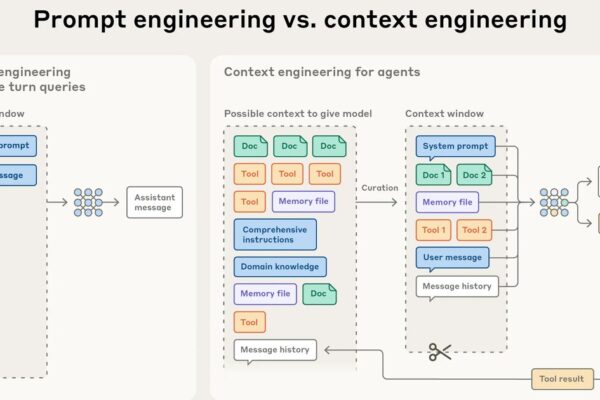
A practical, source-checked guide to Claude 5 context engineering: simplify CLAUDE.md, design Skills, separate memory, improve tools and use progressive disclosure without losing critical constraints.