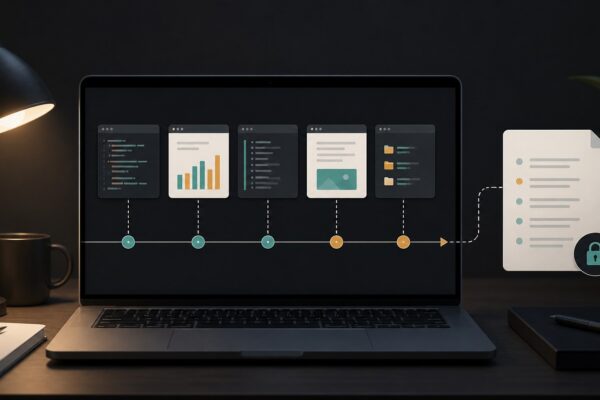
ChatGPT Computer History: What It Records and Who Should Use It
Computer History is an opt-in macOS feature that turns selected activity into ChatGPT and Codex memories. See what it records, stores and risks.

70 articles
Computer History is an opt-in macOS feature that turns selected activity into ChatGPT and Codex memories. See what it records, stores and risks.

Anthropic’s open-weight policy position explained: why it rejects a blanket ban, where it sees risk, what release criteria it supports, and what it did not announce.
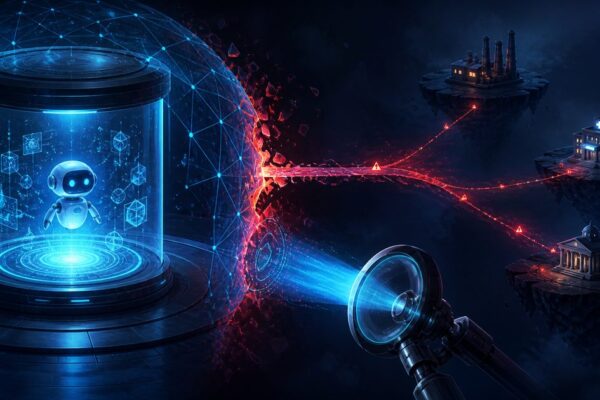
Anthropic’s 31 August 2026 update documents new evaluation, monitoring, RL and infrastructure controls. Here is what builders can apply—and what remains uncertain.

A practical guide to Claude Code Auto Mode, permission classifiers, trusted environments, hard denials, rollback, and safe workflows for marketing and SEO teams.

OpenAI's Ultrafast preview runs GPT-5.6 Sol at up to 750 output tokens per second. Compare its limited access with the existing Fast mode decision framework.

The GPT-5.6 Luna price cut makes high-volume marketing automation cheaper. Here is how to route work, measure savings and preserve human approval.

GPT-5.6 Luna is much cheaper, but raw token price is not the same as business value. Learn how to measure cost per accepted marketing result.

See current GPT-5.6 Sol, Terra and Luna input, cached-input and output rates, the Sol promotion, Fast mode, Codex boundaries and a bounded GPT-6 Astra comparison.
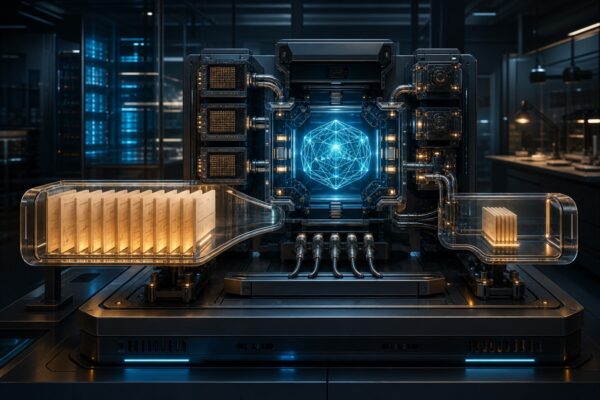
A complete guide to AI agent harnesses: Gemini 3.6 Flash Managed Agents, hooks, budgets, security, GPT-5.6 context compaction and marketing workflows.

Anthropic launched Claude Opus 5 on July 24. See official pricing, availability, benchmark context, safeguards, launch reaction and what remains unproven.