OpenAI DevDay 2026 is September 29 in San Francisco. Here is the verified PT, UTC and IST schedule, keynote watch guide, application status, Bengaluru Exchange detail and release tracker.

What OpenAI’s Astra safety overview says about cyber capability, jailbreak robustness and monitorability, plus practical deployment guardrails and tests.

Evaluate GPT-6 Astra against older GPT-5.5 and GPT-5.4 routes with official availability boundaries, Codex retirement facts, compatibility checks and rollback steps.

Current GPT-6 Astra API rates for input, cached input, cache writes and output, plus long-context, Batch/Flex, Fast and workflow-cost budgeting rules.

What GPT-6 Astra is, who gets access first, its context and output limits, pricing boundaries, capabilities and launch-day checks from OpenAI’s documentation.
OpenAI ZDR and Private Safety Processing explained for marketers: eligibility, endpoint exceptions, data-flow checks, and safe rollout steps.
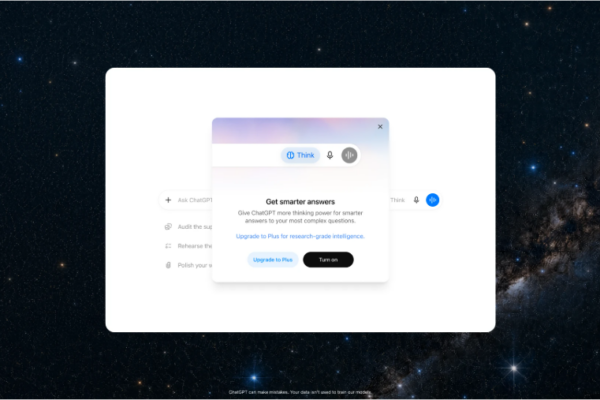
GPT-5.6 Luna is the ChatGPT default for Free and Go. This dated guide separates unlimited text access from tool limits and shows when to use Think.

OpenAI's Ultrafast preview runs GPT-5.6 Sol at up to 750 output tokens per second. Compare its limited access with the existing Fast mode decision framework.

The GPT-5.6 Luna price cut makes high-volume marketing automation cheaper. Here is how to route work, measure savings and preserve human approval.

GPT-5.6 Luna is much cheaper, but raw token price is not the same as business value. Learn how to measure cost per accepted marketing result.